
Food Patterns

London, March 2026. Seven days recorded against a simple discipline: walk more than three kilometres each morning before the working day begins. The observation was not about sport in any competitive sense. It was about the relationship between low-intensity daily movement and the texture of the eating day that followed. What was recorded was not distance or pace — it was what happened to the plates.
The morning walk occupied between thirty and fifty minutes, depending on the route. The routes varied across the seven days — through Clerkenwell, along the Barbican, across the south edge of Islington — but the time of departure did not: 07:15, before the working day's logic asserted itself. The walk was completed before breakfast on five of the seven days. On two days, a small amount was eaten beforehand: a piece of fruit, nothing more.
The observation from those five fasted-walk mornings was consistent with existing nutritional research on movement and appetite regulation: appetite following the walk was present but not acute. The body registered hunger approximately forty minutes after returning, and that hunger was expressed at the breakfast table rather than at the kitchen counter. The eating occasion that followed was more deliberate — seated, attended to — than a typical rushed morning preparation.
This is a small structural observation, but its implications for daily food choices and weight awareness are worth noting. The walk did not reduce appetite; it reorganised it. Hunger arrived later and in a context — the table, the plate, the deliberate preparation — that supported a more considered eating occasion. The day's nutritional rhythm was set, in a modest but perceptible way, by its opening forty minutes.
"The walk did not reduce appetite; it reorganised it. Hunger arrived later and in a context that supported a more considered eating occasion."
Eleanor Whitfield — Aldorn Dispatch, March 2026
The food diary entries from the five walking days showed a higher proportion of whole-food choices across all eating occasions, compared to the two non-walking days. This is not a causal claim; the days without walking were also the weekend days, which introduced other variables — social eating, different schedules, different markets. But the pattern was visible enough to note.
On Monday, following a forty-minute walk, breakfast was a bowl of whole grains with seasonal fruit and a handful of nuts. The midday meal: roasted vegetables with legumes. The afternoon showed no unplanned eating. On Saturday, without the morning walk, the day's eating was more fragmented: a late start, a large brunch that functioned as both breakfast and lunch, an afternoon of smaller unplanned snacks, a dinner that arrived earlier than the weekday pattern.
The relationship between regular movement and food choices is documented in published nutritional research; what this field record adds is a granular account of where that relationship appears in daily life. It appears at breakfast. It appears in the afternoon. It appears in the distribution of eating occasions across the day. The food choices themselves were not dramatically different in content; the rhythm was different, and rhythm — as documented in previous Aldorn Dispatch field notes — is a significant factor in long-term weight balance.
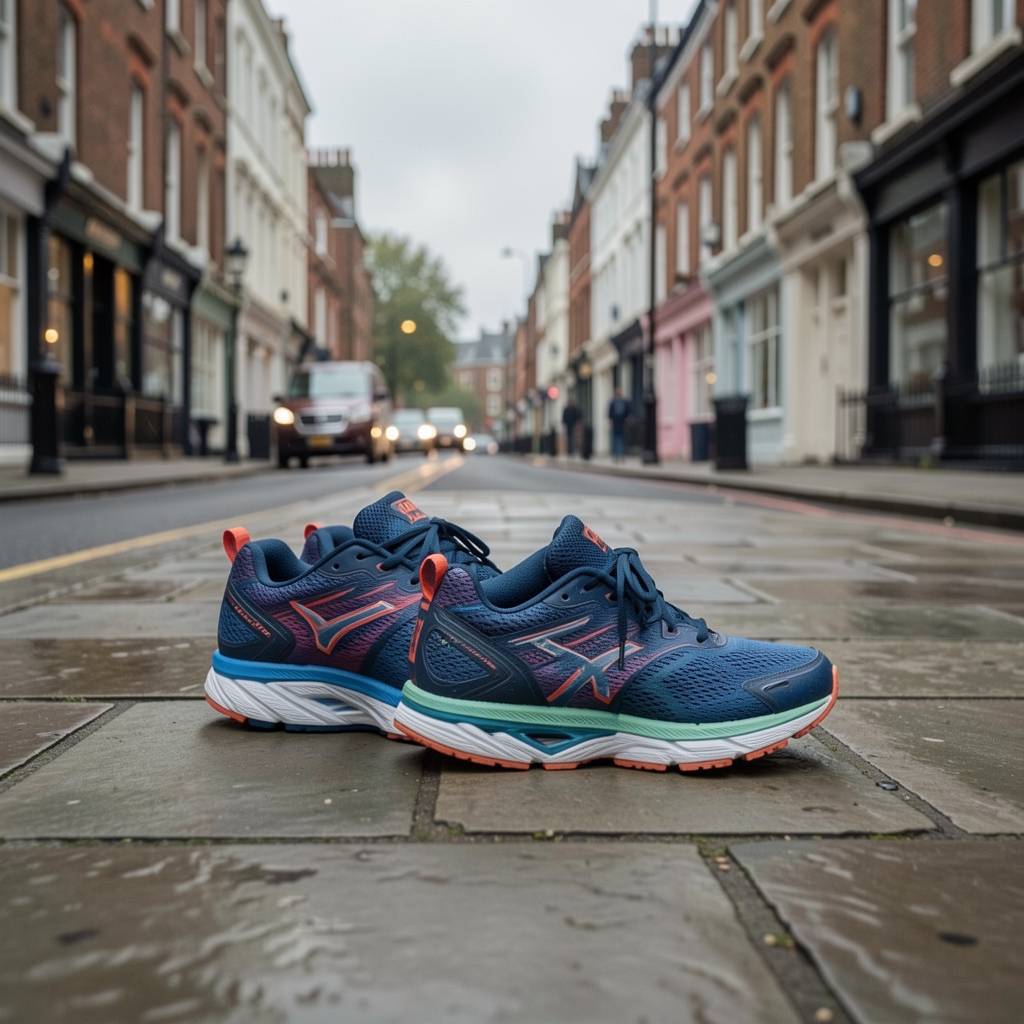
The choice of walking as the movement form under observation was deliberate. The nutritional literature on sport and weight focuses predominantly on high-intensity exercise: its effects on metabolic rate, energy expenditure, and appetite hormones. Low-intensity movement — walking, cycling at a moderate pace, swimming at leisure — occupies a smaller space in the research literature, and a more ambiguous one.
The ambiguity is useful. Low-intensity movement does not produce the acute appetite stimulation that high-intensity exercise can. It does not create the post-exercise eating occasions that sometimes offset the energy balance of more vigorous activity. What it produces, consistently, is a daily rhythm. The walk is a structuring event: it marks the beginning of the day, introduces a period of physical engagement before the sedentary demands of a working environment, and organises the morning eating pattern around its completion.
For weight awareness over the long term, the structuring function of daily movement is arguably more significant than its direct effect on energy expenditure. A person who walks thirty minutes each morning does not thereby consume significantly fewer calories; but they may organise their eating day differently as a result of the walk, and that organisation — its rhythm, its deliberateness, its structural logic — is where the relationship with weight balance resides.
The concept of mindful eating — attending to the eating occasion rather than consuming food as a background activity — is well-established in nutritional research. Its practice is less straightforward: attentiveness is easier to prescribe than to achieve. What this field observation suggests is that physical movement may be a structural support for mindful eating, rather than a separate practice.
The walking days produced eating occasions that were, in the food diary record, more fully attended to. This may be a characteristic of the morning walk: it is an intrinsically attentive activity, particularly when walked without headphones or other distraction. The observation of the street, the physical engagement of the body, the absence of a screen — these conditions prime a kind of attention that persists, at least for some time, after the walk concludes.
It is worth noting that this attentiveness is not assured by walking. A walk taken while monitoring a phone is a different experience from a walk taken without one. The structural value of the morning movement is activated by its quality as a present-body activity — engaged with the physical world rather than with a screen-mediated substitute. The field notes from this week record, consistently, that the walks taken without devices produced more settled morning eating occasions than those taken with them.
By the end of the seven-day observation, the movement record had accumulated 26.4 kilometres of morning walks. The food diary, running in parallel, showed a consistent pattern: active days produced more deliberate eating occasions, fewer unplanned snacks, and a clearer midday meal structure. The two non-walking days showed a different pattern — not necessarily more food, but a less structured distribution of it.
The observation is not a directive. It is not a directive for morning walking as a universal approach to weight balance. It is a field record of one week's experience, documented alongside existing nutritional research on the relationship between activity level, eating behaviour, and weight awareness. The record is partial. Seven days is a narrow window. The pattern it reveals, however, is coherent with what a longer observation would likely confirm.
An active lifestyle and a considered eating pattern are not separate projects. They are, in the practical observation of a nutritional field record, the same project approached from two different entry points. The walk is not a counter-balance to the plate; it is a preparation for it.